

Quick Summary
Authentic pre-owned designer bag pricing reflects model demand, condition, age, included accessories, and authentication, not just the brand name. Price is not the same as value, so a fair price matches the bag's documented condition and provenance. Build a range from recent sold prices rather than a single asking price.
- Popular silhouettes tend to hold value better than niche styles.
- Corner, handle, hardware, and interior wear should each lower the benchmark price.
- Dust bags, cards, and receipts add to what a buyer can reasonably expect to pay.
- Use recent sold prices, not asking prices, to anchor your comparison.
- Compare landed cost, including fees, shipping, and authentication, rather than sticker price.
Table of Contents
- What Authentic Pre-Owned Designer Bag Pricing Actually Measures
- Designer Bag Resale Value: Which Brands and Models Hold Their Price
- A Practical Pricing Framework by Brand, Model, Age and Condition
- Pre-Owned Handbag Condition Guide: How Wear Changes the Price
- How to Authenticate a Designer Bag Before You Pay
- Comparing the Same Bag Across Resale Platforms and Price Trends
- Choosing Your Next Pre-Loved Piece at Bagsational
- Frequently Asked Questions
What Authentic Pre-Owned Designer Bag Pricing Actually Measures
Last Updated: November 2, 2026
Authentic pre-owned designer bag pricing reflects more than the brand name on the label. The second-hand bag market was estimated at USD 7.1 billion in 2025 and is projected to reach USD 7.5 billion in 2026, according to Future Market Insights second-hand bag market report, which points to steady buyer interest in pre-loved goods.
Price is not the same thing as value. A bag listed at a low price can still be overpriced if its condition is poor or its authenticity is unverified.
Here is what a sound price usually reflects:
- Model demand: Popular silhouettes tend to hold value better than niche styles.
- Condition: Wear on corners, hardware, and handles moves the price materially.
- Completeness: Dust bags, cards, and receipts add to what a buyer can reasonably expect to pay.
Watch out: a price that looks far below market for a sought-after model is a warning sign, not a bargain. Counterfeits are often listed at unusually low prices to attract quick sales.
Designer Bag Resale Value: Which Brands and Models Hold Their Price
Resale value varies widely by brand and model, and the gap is often larger than shoppers expect.
Classic, structured silhouettes with consistent demand generally retain value best. Trend-driven styles usually depreciate faster once the moment passes. When comparing options, check the current demand for the exact model rather than relying on the brand reputation alone.
A practical example: a Prada leather top-handle tote in a neutral shade tends to attract steadier interest than a seasonal style with a bold trim. If you are considering one, you can anchor text to see a specific pre-owned Prada piece and compare its listing against the factors above.

A Practical Pricing Framework by Brand, Model, Age and Condition
A workable pricing framework starts with four questions, asked in order:
- What is the model's current demand? Start with recent sold prices, not asking prices.
- How old is the piece? Age affects value differently for different models. Some vintage pieces appreciate, while others simply show their years.
- What is the condition? Grade the bag honestly, from exterior leather and corners to interior lining and hardware.
- What is included? Original dust bags, authenticity cards, and receipts add provenance and should be reflected in the price.
Applied together, these questions give you a range rather than a single number. A vintage Burberry piece in good condition, for example, can be assessed against comparable sold listings for the same leather and flap style. If that is your interest, you can anchor text to compare a pre-loved Burberry flap bag against this framework.

Each Bagsational listing shows the condition details and what is included, so you can judge the price against the factors above.
Pre-Owned Handbag Condition Guide: How Wear Changes the Price
Condition is one of the most important drivers of price, and it is also where photographs can mislead. To check each piece yourself, you can step-by-step authentication guide before paying.
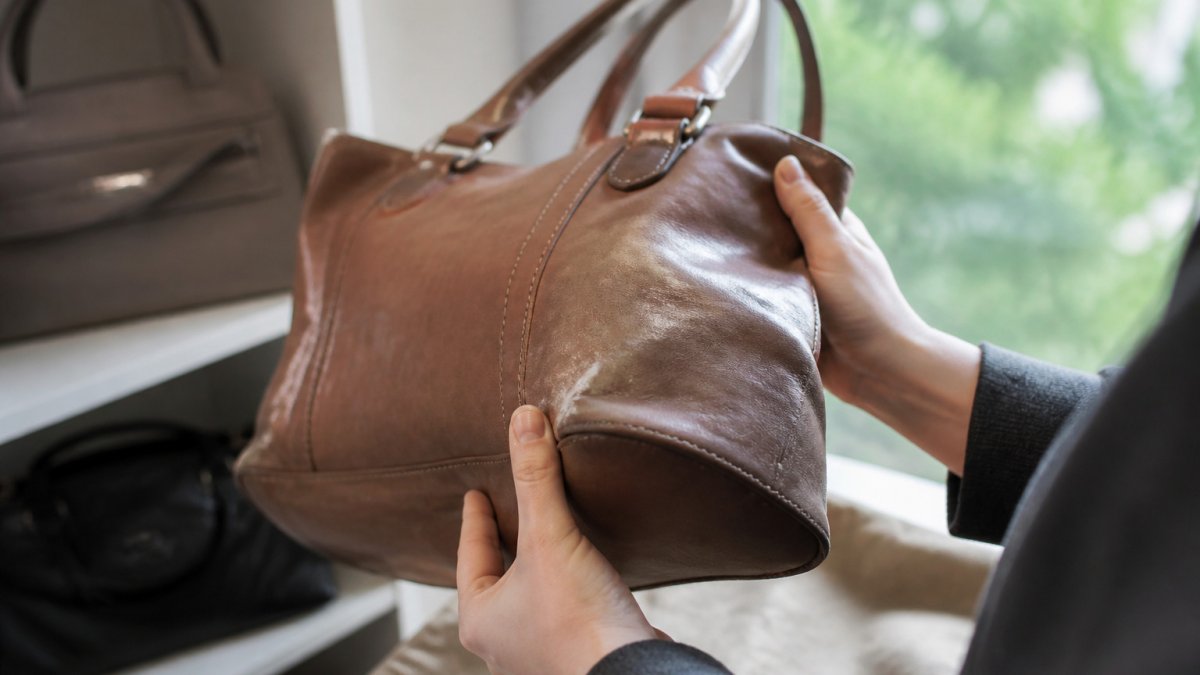
A useful way to think about it: condition should lower the price in proportion to the repair or replacement cost a buyer would face, plus a discount for the risk and hassle of arranging that work.
The wear areas that move price most
Examine each bag in person when possible, and when buying online, request close-up images of the areas that wear first:
- Corners and edges: Rubbing here shows early on leather goods and can be hard to restore. Corner wear is one of the most common reasons a bag is downgraded a full condition tier.
- Handles and straps: Check for darkening, cracking, or stretching at the attachment points. Handle replacement is expensive and often changes the bag's original character.
- Hardware: Scratched, tarnished, or replaced hardware affects both appearance and value. Replaced hardware is also an authentication red flag.
Turning condition into a price adjustment
Rather than guessing, build a simple adjustment ladder from the comparable sold prices for the same model in the best available condition:
Chloé Marcie Raffia Basket Tote with Leather Panel, Pre-Loved →
- Start with the benchmark. Find recent sold prices for the same model in Like New or Excellent condition. That is your ceiling.
- Subtract for visible wear. Estimate the cost of the repair the bag actually needs, corner touch-up, hardware replacement, strap repair, interior cleaning, and subtract that from the benchmark. Add a modest allowance for the inconvenience and risk of doing the work yourself.
- Subtract for missing completeness. Dust bag, authenticity card, care booklet, original receipt, and box each add provenance. A bag missing several of these should sit below a complete example of the same model and condition.
- Adjust for provenance. A documented single-owner bag with receipts and service records supports a higher price than an undocumented bag of identical appearance, because the buyer's authentication risk is lower.
- Sanity-check against the market. If your adjusted number is far below every comparable listing, either the bag has a defect you have not identified or the listing is mispriced.
What each condition tier should look like in practice
- Like New / Excellent: Minimal visible wear in every area above; hardware bright; interior clean; ideally complete with dust bag and card. This is the benchmark price.
- Very Good: Light wear on corners or handles, minor hardware scratches, clean interior. Expect a modest reduction from benchmark.
- Good: Visible corner rubbing, handle darkening, or interior marks; fully functional. Expect a larger reduction, sized to the repair cost.
Pieces with a clean interior, intact hardware, and minimal corner wear command a premium within their model. Heavily worn examples of the same bag should sell for less, even when the model is in demand. The key is to make that discount proportional and defensible rather than arbitrary.
The table below turns the article's condition tiers into a price approach, so you can see how wear should lower the benchmark price.
| Condition tier | What it looks like | Price approach |
|---|---|---|
| Like New / Excellent | Minimal wear, bright hardware, clean interior | Benchmark price |
| Very Good | Light corner or handle wear, minor hardware scratches | Modest reduction from benchmark |
| Good | Visible corner rubbing, handle darkening, interior marks | Larger reduction sized to repair cost |
| Fair | Structural wear, heavy corner loss, odor, hardware damage | Price reflects likely restoration and limited resale |
How to Authenticate a Designer Bag Before You Pay
Authentication is the foundation of any fair price. A genuine bag priced slightly high is a better buy than a counterfeit priced low, because the counterfeit has no resale value at all. Before paying, check the following:
- Review the seller's authentication process. Ask whether pieces are verified and by whom.
- Examine stitching and hardware. Uneven stitching, misaligned logos, and light-weight hardware are common red flags.
- Check the included documentation. Use the pre-purchase checklist to run through the same concerns before you commit. Serial numbers, date codes, and authenticity cards should match the model.
- Compare against known references. Set the listing beside verified images of the same model.
Comparing the Same Bag Across Resale Platforms and Price Trends
The same bag can carry different prices across resale platforms, and the differences reflect more than simple markup. Each platform charges different fees, offers different levels of authentication, and attracts a different buyer. Comparing sticker prices alone is the most common mistake shoppers make, the number on the listing is rarely the number you pay, and it says nothing about the risk you are accepting.
A standardized total-cost comparison
To compare fairly, normalize every listing to a single "landed cost" figure. For each candidate, calculate:
- Listed price. The starting number.
- Platform and payment fees. Buyer-side fees, payment processing, and any service charges. These vary by platform and sometimes by payment method.
- Shipping and handling. Include insurance if it is optional but prudent for a high-value item.
- Taxes and duties. Sales tax where applicable, and import duties for cross-border purchases.
- Authentication cost. If the platform does not authenticate, budget for a third-party check. Treat this as a real cost, not an optional extra.
- Return-shipping risk. If returns are accepted but you pay return shipping, factor in the cost of a possible return.
Landed cost = listed price + fees + shipping + taxes/duties + authentication (if needed) + expected return cost.
Two listings that look 10% apart on sticker price can reverse order once fees, shipping, and authentication are included. A platform with higher fees but included authentication and free returns can be the cheaper and safer option overall.
What to compare beyond price
- Authentication depth. Does the platform authenticate in-house, use a third-party service, or rely on seller claims? The stronger the process, the lower your risk, and that risk has a price.
- Return window and conditions. A short window with tags-attached requirements is less valuable than a longer window with fewer conditions.
- Buyer protection. Understand what is covered if the item is not as described or fails authentication.
Reading price trends without overreacting
Price trends move. Demand for some models rises after a celebrity sighting or a seasonal collection, then settles. Tracking recent sold prices over several months gives a more reliable picture than a single snapshot. A few practical habits help:
- Use sold prices, not asking prices. Asking prices reflect seller optimism; sold prices reflect what buyers actually paid.
- Compare like with like. Match model, size, color, hardware, and condition tier before drawing conclusions.
- Watch seasonality. Certain models trade more actively around gifting seasons and fashion weeks.
Market size continues to grow, which means more comparable listings are available, but it also means more variation in quality and price. The disciplined approach is to compare landed cost, authentication depth, and return terms together, not to chase the lowest sticker price.
Choosing Your Next Pre-Loved Piece at Bagsational
Choosing a pre-loved bag comes down to matching the piece to how you plan to use it. A structured leather bag suits daily work use, while a lightweight canvas tote fits a casual routine.
For a warm-weather option, the anchor text is a useful reference for how to judge a piece's craftsmanship and finish. Whichever style you choose, apply the framework above: check demand, age, condition, and documentation, and pay a price that reflects those factors.
Frequently Asked Questions
How much should an authentic pre-owned designer bag cost?
There is no single price. A pre-owned designer bag is priced from its retail price, adjusted for model, age, condition and completeness, so the same bag can differ noticeably between sellers. Compare the bag's current retail price with recent sold prices for the same model and condition, and treat a price far below that range as a warning sign to check authenticity closely before buying.
What factors affect the price of a pre-owned designer handbag?
The main drivers are brand demand, the specific model and whether it is a core or limited design, the bag's age, its condition, and whether it includes the original dust bag, box, receipt or authenticity card. Provenance and the seller's authentication process also matter, because buyers pay more when they trust that the item has been verified.
Which designer handbags hold their value best?
Recognisable icon styles from established houses tend to keep their resale value best, because demand stays steady over time. Some classic designs have appreciated in resale value, though this varies by model and season. Results vary by season and model, so check current sold prices before assuming a bag will hold its value.
How can I tell if a pre-owned designer bag is authentic before buying?
Check the seller's authentication policy, request clear photos of stitching, hardware, logo engraving, date codes or serial numbers where the brand uses them, and compare these details against the brand's known features. Be cautious of listings with unusually low prices, vague photos or refusal to provide close-ups. A reputable seller will explain its inspection process and offer a clear return option if an item does not match its description.
Pre-owned designer bag pricing rewards careful buyers. Understand what drives the number, inspect the condition closely, and verify authenticity before you pay. Explore the Bagsational collection to find a pre-loved piece that fits both your style and your budget.
