

Last Updated: October 26, 2026
Quick Summary
Timeless designer handbags are investment pieces that hold their value through iconic design, quality materials, and proven secondary market demand. Hermès bags average 138% value retention, while structured silhouettes in classic neutrals and top-handle styles lead the 2026 market as consumers embrace quiet wealth aesthetics.
- The global handbag market is projected to reach $68.86 billion in 2026, growing 7.24% annually through 2034.
- Structured silhouettes, top-handle styles, and crossbody bags dominate investment performance due to timeless design and everyday versatility.
- Material quality, silhouette longevity, brand heritage, limited availability, and secondary market demand determine resale value retention.
- Authentication certificates from recognized third-party services like Entrupy are essential when buying pre-owned designer bags.
Table of Contents
- What Makes Timeless Designer Handbags Worth the Investment
- Best Investment Bags 2026 and Their Resale Performance
- Designer Bag Resale Value: What Factors Protect Your Purchase
- How to Authenticate a Pre-Owned Designer Bag Before Buying
- How to Care for Luxury Handbags and Preserve Investment Value
- Building Your Investment Handbag Collection at Bagsational
- Frequently Asked Questions
What Makes Timeless Designer Handbags Worth the Investment
The global handbag market is projected to reach $68.86 billion in 2026, growing at 7.24% annually through 2034 Fortune Business Insights market analysis.
At Bagsational, we've spent years sourcing and inspecting pre-owned luxury handbags, and one pattern stands out immediately. Some bags hold their value remarkably well. Others drop 60% in resale price within two years. The difference isn't always obvious to new collectors.
Investing in timeless designer handbags requires understanding what separates a true investment piece from a trend that will fade. Hermès bags average 138% value retention on the secondary market Haute Living's 2026 investment handbag guide, while many designer pieces lose half their value in months.
The market has shifted toward "quiet wealth" aesthetics, understated, clean-lined designs that whisper rather than shout. This isn't trend chasing. It's a structural change in how luxury is perceived.
Here's what actually matters: material quality, silhouette longevity, brand heritage, resale demand, and your personal cost-per-wear calculation. We'll walk through each factor and show you specific bags that meet these criteria, along with what to watch out for when buying pre-owned.
Best Investment Bags 2026 and Their Resale Performance
The bags that hold value share three characteristics: iconic status, limited production runs, and consistent demand from collectors. Not every designer bag qualifies. Many sit in closets gathering dust because they never developed the secondary market appeal that drives resale value.
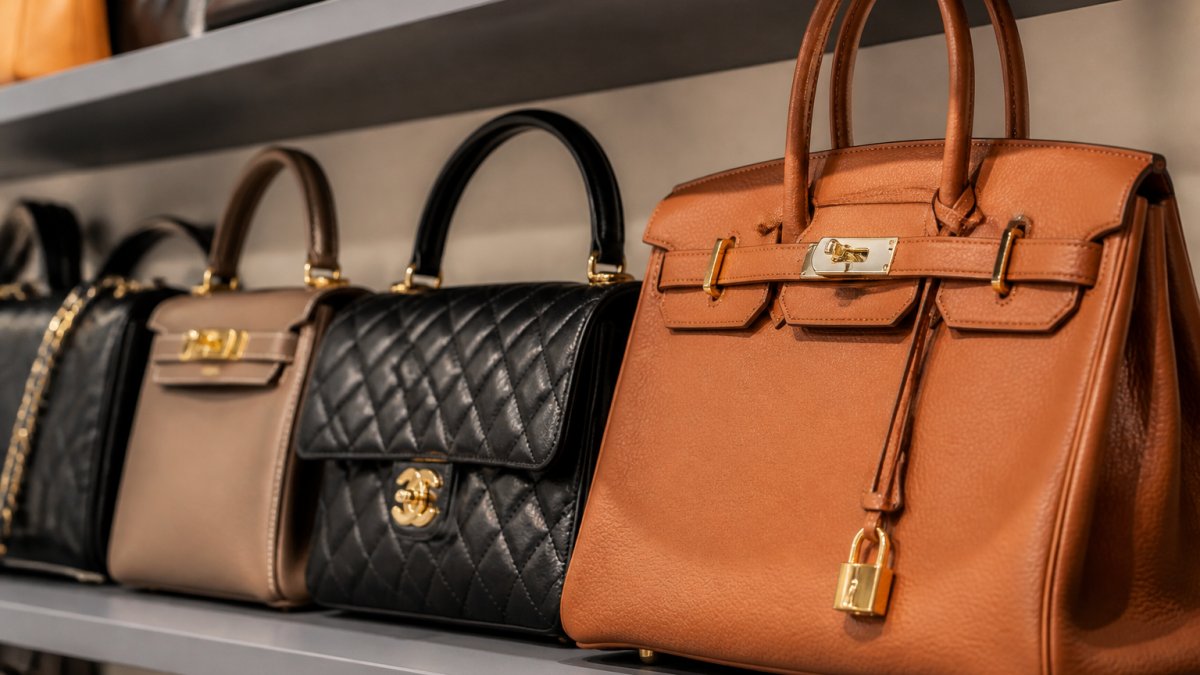
Structured Silhouettes with Proven Value Retention
Structured bags dominate the investment market because they photograph well, age gracefully, and never look dated. A structured box shape from five years ago still looks current today. Slouchy, unstructured bags trend harder and fade faster.
The Christian Dior Lady Dior Lambskin Cannage represents the gold standard for structured investment pieces. At Bagsational, we've seen the Christian Dior Lady Dior Lambskin Cannage Large priced at $1,599, a substantial investment, but one that typically retains 70-80% of resale value.

The Chanel Matelassé Bag operates in the same value-retention category. Its quilted design is instantly recognizable, and the craftsmanship means it holds up under daily use. The Matelasse Bag at $1,750.

Watch out: Structured bags in trendy colors (neon, pastels, metallics) age poorly in resale. Stick to classic neutrals, black, navy, camel, cognac, if you're buying for investment.
Top-Handle and Shoulder Styles Leading the Market
Top-handle bags have surged in 2026 as the market embraces "quiet wealth" aesthetics. Browse investment-quality top-handle examples to see how this style translates across different brands and price points.
The Celine Medium Classic Box represents minimalist investment strategy at its best. Made in black grained leather with a soft, natural texture, it closes with the signature rectangular gold-tone push-lock clasp.
The Gucci Bamboo Bag takes a different approach. The bamboo handle is Gucci's signature design element, making it instantly recognizable without relying on heavy branding.
The Fendi Zucchino Baguette offers historical value. The Baguette sold over 100,000 units in its debut year, partly due to its iconic status from Sex and the City. At $1,099, the Fendi Zucchino/Zucca Baguette remains desirable because collectors understand its significance.
Crossbody and Flap Bags for Everyday Versatility
Crossbody and flap bags dominate everyday wear, which means they have the largest secondary market. More people want them, which keeps resale prices stable.
The Hermès Jypsière 31 in Etoupe is the crossbody standard for investment collectors. At $3,700, it's a significant investment, but Hermès bags average 138% value retention, making it one of the safest bets in the market Haute Living's investment handbag analysis.
The Louis Vuitton Alma BB in Epi leather offers a different investment angle. Black Epi leather resists scratches and holds its shape better than canvas. The structured dome silhouette works for office, travel, or evening.
The Chanel Caviar Petite Timeless Tote combines structure with everyday practicality. The Chanel Caviar Petite Timeless Tote appeals to collectors looking for a bag they'll actually use while maintaining investment value.
These investment-grade bags combine iconic design with proven resale performance across different styles and price points.
| Bag | Price | Key Material | Resale Value Retention |
|---|---|---|---|
| Christian Dior Lady Dior Lambskin Cannage Large | $1,599 | Lambskin leather | 70-80% |
| Chanel Matelassé Bag | $1,750 | Quilted leather | Not specified |
| Celine Medium Classic Box | $990 | Black grained leather | Not specified |
| Gucci Bamboo Bag | $695 | Leather with bamboo handle | Not specified |
| Fendi Zucchino Baguette | $1,099 | Zucca leather | Not specified |
| Hermès Jypsière 31 in Etoupe | $3,700 | Clemence leather | 138% average |
| Louis Vuitton Alma BB Epi Leather Black | $1,700 | Black Epi leather | Not specified |
| Chanel Caviar Petite Timeless Tote | $1,699 | Quilted caviar leather | Not specified |
Designer Bag Resale Value: What Factors Protect Your Purchase
Not all designer bags increase in value. The market is selective, and buyers must distinguish between bags that hold value and those that depreciate quickly Haute Living's 2026 investment guide.
Five factors determine resale performance:
Material Quality. Lambskin, caviar leather, and Epi leather hold value better than canvas or synthetic materials. Lambskin develops a desirable patina. Caviar leather resists scratches. Epi leather ages with character. Canvas pieces (like Louis Vuitton Monogram) hold value through heritage and brand strength, but the vachetta leather trim is delicate and prone to water spots. The Neverfull MM at $1,150 maintains value because monogram canvas is extremely hardy and outlasts the leather trim.

Silhouette Longevity. Structured, minimalist designs outlast trend-driven shapes. A bag that looked fashionable five years ago should still feel current today. Slouchy, oversized, or heavily embellished bags date faster because they're tied to seasonal trends.
Brand Heritage. Hermès, Chanel, Dior, and Louis Vuitton command consistent secondary market demand because of their heritage and craftsmanship reputation.
Limited Availability. The Row's Margaux bag established itself as one of the most talked-about investment pieces of 2026 through limited availability and high demand Eveys Preloved market analysis.
Secondary Market Demand. A bag needs active collector interest to maintain value. If nobody wants it on the resale market, it depreciates regardless of original quality.
How to Authenticate a Pre-Owned Designer Bag Before Buying
Buying pre-owned designer bags carries authentication risk. Counterfeit luxury goods are sophisticated, and online photos can hide flaws. Before investing, you need a verification system.
First, understand what authentication means. It's not just checking for a serial number.
Bagsational includes Entrupy Certificates of Authenticity with every piece in our collection. When you shop for pre-owned bags anywhere, demand authentication documentation from a recognized service. Learn expert safety tips for buying luxury online to protect yourself before making a purchase.
Second, learn brand-specific authentication markers. Spend time studying authentic examples before you buy.
Third, examine construction quality. Counterfeiters cut corners on stitching, lining materials, and hardware attachment. Real luxury bags have consistent, tight stitching. Linings are high-quality fabrics, not cheap polyester. Hardware is substantial and securely attached.
Watch out: Sellers claiming "authentic" without third-party verification are taking a risk you shouldn't accept. Insist on authentication certificates or buy from verified retailers like Bagsational who personally source and inspect every piece.
How to Care for Luxury Handbags and Preserve Investment Value
A bag that costs $1,700 new deserves proper care. How you maintain it directly impacts resale value.
Start with storage. Store bags in dust bags or boxes away from direct sunlight. Sunlight fades leather and accelerates aging.
Clean leather regularly with a soft, dry cloth. For deeper cleaning, use products designed for luxury leather. Never use household cleaners or harsh chemicals.
Handle hardware with care. Gold-tone and silver-tone hardware can tarnish if exposed to moisture or sweat. Wipe hardware dry after use. Avoid getting perfume or skincare products on hardware, these accelerate tarnishing.
Address damage quickly. Discover sustainable luxury care practices that complement proper maintenance and help preserve your investment. A small scratch or scuff is normal aging.
Preserve receipts and authentication documents. These add value when you resell. Buyers pay more for bags with provenance documentation.
Building Your Investment Handbag Collection at Bagsational
Building an investment collection requires strategy, not impulse buying. Start with one quality piece that fits your lifestyle. A bag you actually use holds value better than one that sits in a closet.
Our collection at Bagsational offers personally sourced and inspected pieces across price points. Whether you're starting with the Bamboo Bag at $695 or investing in the Hermès Jypsière at $3,700, every piece includes authentication documentation and quality assurance.
Consider your lifestyle when choosing. A structured top-handle works for office and evening. A crossbody works for travel and casual wear. A tote works for everyday carry.
Build diversity across price points. One $3,500 Hermès bag and three $800-1,200 designer pieces create a more resilient collection than one $5,000 bag. Diversification protects against market shifts.
Track your purchases and maintenance. Keep receipts, authentication documents, and photos of condition. Document repairs and professional cleaning. This provenance adds value when you decide to sell.
Frequently Asked Questions
Which designer handbags are considered the best investment bags 2026?
Hermès, Chanel, Dior, and Louis Vuitton remain the strongest performers. Structured silhouettes like the Hermès Jypsière and Chanel Matelassé hold value better than trend-driven styles. The market favors timeless designs with iconic hardware and craftsmanship over seasonal releases. At Bagsational, pieces like the Christian Dior Lady Dior ($1,599) and Chanel Caviar Petite Timeless Tote ($1,699) exemplify investment-grade construction.
Do designer handbags hold their value over time?
Not all designer bags hold value equally. Investment-grade pieces with timeless appeal, iconic status, and superior craftsmanship retain value on the secondary market. Bags with distinct hardware, limited production runs, and classic silhouettes perform best. However, trend-driven styles and seasonal collections often lose value within two years. The key is choosing bags with proven longevity: structured shapes, neutral colors, and heritage brands. Pre-owned purchases at Bagsational already reflect market value, making them a smarter entry point for collectors.
How can I check whether a pre-owned designer handbag is authentic?
Authentication requires examining hardware weight and precision, leather grain consistency, stitching quality, and interior stamps or labels. Authentic luxury bags use solid metal hardware that feels substantial, never hollow. Leather should show natural variation without defects in dye or texture. Stitching must be perfectly even with no loose threads. Check that serial numbers, maker's marks, and logos match brand specifications exactly. Bagsational provides Entrupy Certificates of Authenticity with every pre-owned piece, eliminating guesswork. This certification verifies genuineness through advanced technology, protecting your investment from counterfeits.
What makes a designer handbag timeless versus trendy?
Timeless handbags feature simple, clean-lined silhouettes that work across seasons and styles. They use neutral colors (black, tan, navy), iconic hardware, and structured or elegantly slouchy shapes that don't rely on logos for appeal. Trendy bags often showcase bold prints, seasonal colors, or heavily branded elements that feel dated within 2-3 years. The shift toward 'quiet wealth' aesthetics in 2026 favors understated, versatile pieces over statement prints. Bags like the Celine Medium Classic Box ($990) and Louis Vuitton Alma BB ($1,700) exemplify timeless design: they work from day to evening and pair with any wardrobe.
Is buying pre-owned designer handbags a better investment than new ones?
Pre-owned designer bags often represent better value for investment-minded buyers. You purchase at secondary market prices, which already reflect realistic resale value, reducing your downside risk. A pre-owned Hermès Jypsière at Bagsational ($3,700) costs less than retail while carrying the same investment potential. Additionally, pre-owned purchases support sustainable luxury consumption. However, condition matters: buy from trusted sources with authentication and detailed condition documentation to ensure the bag's longevity and resale appeal.
Building a timeless designer handbag collection is a long-term strategy that rewards patience and research. The bags that hold value share clear characteristics: iconic designs, quality materials, and consistent collector demand. When you understand these factors, you can invest with confidence rather than emotion. At Bagsational, we help you navigate this market with personally sourced, authenticated pieces and the guidance to make decisions that protect your investment for years to come.
