

Last Updated: October 25, 2026
Quick Summary
Buying vintage designer bags safely requires researching the specific designer, model, and production era before purchase, authenticating the bag through brand-specific markers like serial numbers and stitching quality, and evaluating condition honestly. Verify seller reputation, ask detailed questions about provenance and repairs, and compare prices against recent comparable sales to ensure you're making a sound investment.
- Research the specific designer, model name, and production years to understand the bag's market position and authenticity markers
- Verify authentication through brand-specific details like Chanel hologram stickers, Louis Vuitton date codes, and consistent stitching patterns
- Evaluate condition by checking leather quality, patina development, corner wear, and handle integrity to assess repairability costs
- Buy from established resale marketplaces or specialized vintage dealers that offer buyer protection policies and authentication certificates
- Compare listing prices against recent comparable sales and factor in total costs including authentication, cleaning, repairs, and insurance
Table of Contents
- 1. Research the Designer, Model, and Era Before You Buy
- 2. How to Authenticate Vintage Designer Bags
- 3. What to Check When Buying a Pre-Owned Designer Bag
- 4. Questions to Ask When Buying a Used Designer Bag
- 5. Vintage Designer Bag Price and Value Assessment
- 6. Where to Shop for Vintage Designer Bags Safely
- 7. Pre-Purchase Inspection Checklist
- 8. Total Cost of Ownership and Returns
- Frequently Asked Questions
1. Research the Designer, Model, and Era Before You Buy
Before you spend money on buying vintage designer bags, know what you're actually buying. The difference between a sought-after archival model and a forgettable piece can be thousands of dollars. Start by identifying the specific designer, the exact model name, and when it was produced.
Research the brand's heritage and design timeline. Different eras produced different quality standards, materials, and construction methods. A Céline bag from the 1990s carries different markers than one from the 2000s.
Check collector forums, fashion archives, and brand-specific communities. These resources often contain detailed production information, known variations, and authentication tips specific to the era you're researching.
2. How to Authenticate Vintage Designer Bags
Authentication separates a confident purchase from a risky one. Most counterfeit bags fail basic authenticity checks, but subtle fakes exist too. Start with the most obvious markers: logos, serial numbers, stitching patterns, and hardware quality. These elements tell you whether you're looking at the real thing.
Brand-Specific Markings and Serial Numbers
Every luxury brand uses distinct marking systems. Chanel includes hologram stickers and date codes inside the lining. Fendi bags carry specific serial number formats and logo placements. Louis Vuitton uses date codes stamped into the leather.
Serial numbers follow brand-specific patterns. A Céline bag from the 1990s has a different code format than one from 2010. Counterfeiters often get these details wrong or use numbers that don't match the era. Cross-reference the code against brand databases and collector resources to confirm it's legitimate.
Check for authenticity certificates when available. Many pre-owned dealers include third-party authentication documentation. This adds credibility to the sale and protects your investment.
Stitching, Hardware, and Logo Details
Examine stitching patterns closely. Study a specific Chanel bag's hardware, stitching, and quilting details to learn authentication markers. Luxury brands maintain consistent stitch counts and angles.
Hardware quality reveals authenticity instantly. Real designer hardware feels weighty and substantial. The metal should have consistent finish without rough edges or discoloration. Logos stamped or engraved into hardware must be sharp and properly aligned.
Logo placement and proportions matter. Each brand positions logos at specific distances from edges and seams. Counterfeiters frequently get proportions wrong or place logos slightly off-center. Study authentic examples to recognize the correct positioning.
Each luxury brand uses distinct authentication markers that counterfeiters often fail to replicate correctly.
| Brand | Key Authentication Marker | Location |
|---|---|---|
| Chanel | Hologram stickers and date codes | Inside the lining |
| Fendi | Specific serial number formats and logo placements | Brand-specific locations |
| Louis Vuitton | Date codes stamped into leather | Leather interior |
| Céline | Era-specific code formats | Brand-specific locations |
3. What to Check When Buying a Pre-Owned Designer Bag
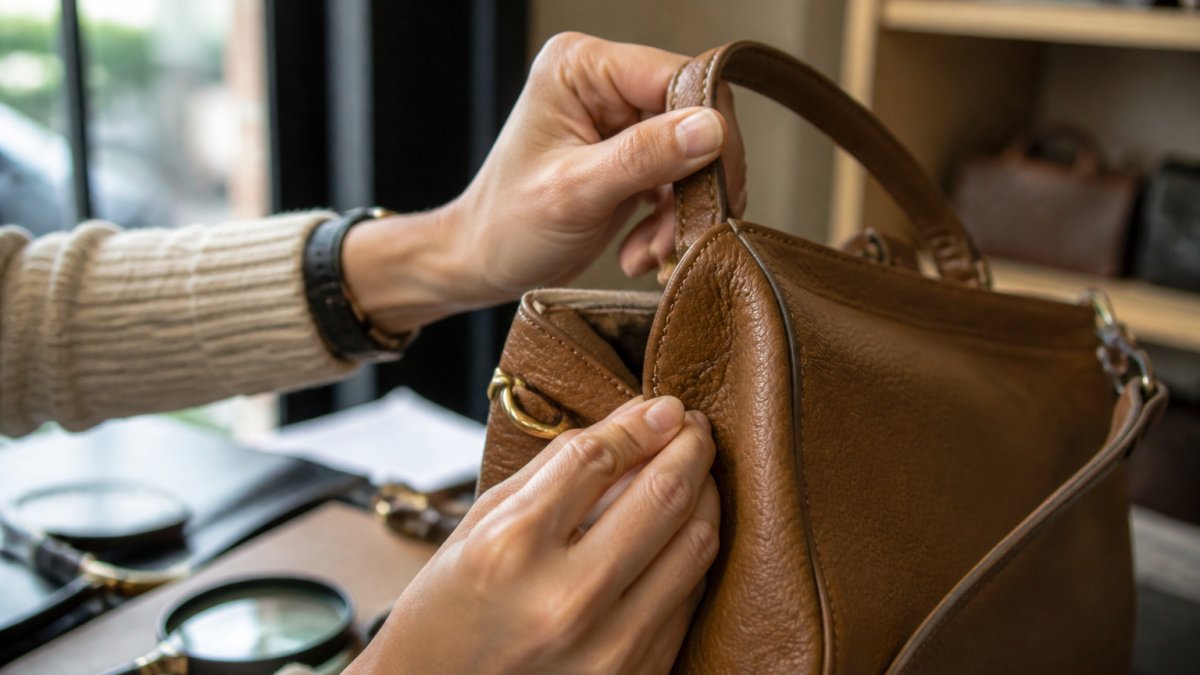
Condition determines both usability and value. A pre-owned bag showing honest wear tells a different story than one with damage that impacts function. Evaluate leather quality, surface condition, and whether repairs are needed.
Leather and Material Quality
Touch the leather. Authentic luxury leather feels supple and develops character with age. Counterfeit bags use cheap synthetic materials that feel plasticky or stiff. Check whether the leather has developed a natural patina or shows signs of damage like cracking, peeling, or water staining.
Examine the interior lining. Designer bags use quality fabric that resists tearing. Look for discoloration, stains, or separation from the leather. A stained lining doesn't affect function but signals how the bag was stored and used. Odor matters too.
Material consistency is crucial. Vintage bags may use materials no longer in production. Knowing what your target model should be made from helps you spot substitutions or repairs using incompatible materials.
Condition: Wear, Patina, and Repairability
Designer bags develop patina naturally. Leather darkens, corners soften, and hardware develops a burnished finish. This isn't damage, it's character. Distinguish between normal aging and actual problems.
Check corners and edges first. These areas show the most wear. Minor scuffs and slight color changes are expected. Deep gouges, separation from the body, or exposed interior material indicate heavier use or potential structural issues. Handles and straps reveal how often the bag was carried.
Assess repairability before buying. Some damage is easily fixable by a professional cobbler. Other issues, like hardware that no longer functions or extensive structural damage, become expensive repairs. Factor repair costs into your total investment.
4. Questions to Ask When Buying a Used Designer Bag
Contact the seller directly and ask specific questions. Their responses reveal whether they understand the bag and have authentic knowledge about it.
Ask about the bag's provenance. Where did they acquire it? Do they have original receipts or documentation? How long have they owned it?
Request detailed information about condition. Ask about any repairs, cleaning, or restoration work done. Find out whether the bag has been professionally authenticated.
Vintage Burberry Pebbled Leather Flap Shoulder Bag, Tan, Pre-Loved →
Inquire about their return policy. What happens if the bag arrives and doesn't match the description?
Ask about photography. Request additional photos from different angles, close-ups of hardware and stitching, and interior shots. Good sellers provide comprehensive images without hesitation.
5. Vintage Designer Bag Price and Value Assessment
Price reflects condition, rarity, brand prestige, and current market demand. Understanding pricing prevents overpaying for bags that depreciate or undervaluing genuine bargains.
Research comparable sales. Look at what similar bags in similar condition have sold for recently. Check multiple platforms to establish a realistic price range.
Consider the bag's investment potential. Certain archival models hold value better than others. Limited-edition pieces and bags from celebrated designers appreciate over time. Everyday styles, even from luxury brands, may depreciate.
Factor in total cost of ownership. Add authentication costs, potential cleaning or repair expenses, and insurance to the purchase price. A seemingly affordable bag becomes expensive if it requires significant restoration work.
6. Where to Shop for Vintage Designer Bags Safely
Seller reputation determines whether you receive an authentic, well-described bag or a disappointing counterfeit. Choose platforms and sellers carefully.
Established resale marketplaces with buyer protection policies offer security when buying vintage designer bags. These platforms verify seller credentials and handle disputes when bags don't match descriptions. They typically charge higher fees but provide peace of mind.
Specialized vintage dealers who focus exclusively on designer bags usually demonstrate deeper expertise than generalist resale platforms. They often provide authentication certificates and detailed condition reports. Bagsational curates personally sourced and inspected pre-owned authentic luxury handbags, ensuring every piece meets strict authenticity standards.
Seller Reputation and Buyer Protection
Check seller ratings and reviews before purchasing. Read feedback from previous buyers. Look for patterns. One negative review might be an outlier. Multiple complaints about misrepresented condition or authenticity concerns signal genuine problems.
Verify seller policies on authentication and returns. Reputable sellers accept returns if bags don't match descriptions. They provide clear condition ratings and detailed photography. They're transparent about any repairs or restoration work.
Understand your platform's buyer protection. The basics include payment methods that offer dispute resolution, clear return windows, and transparent communication channels.
7. Pre-Purchase Inspection Checklist
Before committing to a purchase, work through this systematic review:
- Authentication markers: Verify serial numbers, date codes, holograms, and brand-specific identifiers match the era
- Logo details: Check logo placement, proportions, engraving quality, and consistency with authentic examples
- Stitching quality: Examine stitch count, angle, thread color, and uniformity across all seams
- Hardware condition: Assess weight, finish, engraving sharpness, and functionality of all closures
- Leather assessment: Evaluate texture, color consistency, patina development, and absence of cracking or peeling
- Interior condition: Check lining integrity, discoloration, odor, and structural soundness
- Corner and edge wear: Determine whether wear is normal aging or indicates structural problems
- Handle and strap condition: Assess wear patterns and identify any tears or separation from the body
- Missing accessories: Note whether original dust bag, box, or authenticity cards are included
- Repair history: Ask about any professional restoration or repair work completed
- Seller credibility: Verify ratings, return policy, and willingness to answer detailed questions
- Price verification: Compare to recent comparable sales and assess whether pricing aligns with market rates
8. Total Cost of Ownership and Returns
The purchase price is only part of the investment. Budget for additional costs that protect and maintain your bag.
Professional authentication may cost between modest fees and several hundred dollars depending on the bag's value and complexity. Some sellers include authentication certificates.
Cleaning and restoration work varies widely. A professional leather cleaning might cost modest amounts.
Insurance protects your investment. Vintage designer bags appreciate in value, making them worth insuring. Annual insurance costs are modest compared to the bag's value.
Understand return policies before purchasing. Reputable sellers offer return windows, allowing you to inspect the bag in person and verify condition.
At Bagsational, we prioritize buyer confidence.
Frequently Asked Questions
How can you tell if a vintage designer bag is authentic?
Authentic vintage designer bags show consistent stitching patterns, accurate logo placement and font, matching hardware weight and finish, and correct date codes or serial numbers for the era. Check brand-specific markings against archival references, each designer has distinct details. Examine leather grain and patina patterns, which develop naturally over time. Counterfeit bags often have uneven stitching, logos that sit incorrectly, lightweight or mismatched hardware, and generic leather that doesn't age properly. If you're uncertain, request authentication from a third-party service or buy from sellers who include certificates of authenticity, like those offered by Bagsational for their pre-owned collection.
What should you check when buying a pre-owned designer bag?
Inspect leather for genuine patina, scuffs, and stains that indicate authentic aging rather than damage. Check all hardware for corrosion or loose components, test the zipper and closure mechanism, and examine the lining for tears or odors. Verify stitching is even and matches the brand's standards for that era. Ask for detailed photos of the interior, serial numbers, and any wear areas. Confirm the bag's provenance if possible, original dust bag, receipt, or documentation adds confidence. Assess whether damage is cosmetic or structural; cosmetic wear is normal for vintage pieces, but broken zippers or damaged leather may require costly repair.
What is the typical price range for vintage designer bags?
Vintage designer bag prices vary widely based on brand, condition, rarity, and age. Condition dramatically affects price: bags with minimal wear command premium prices, while those needing repair cost less but require budget for restoration. Discontinued or highly sought-after models hold investment potential and may appreciate over time. Always compare prices across multiple listings for the same model and condition to ensure fair value. Bagsational's curated collection ranges from £350-£1,099, with each piece personally sourced and inspected to justify its price.
What questions should you ask a seller before buying a vintage designer bag?
Ask about the bag's provenance, original owner, and how long the seller has owned it. Request specifics on condition: what wear is visible, whether repairs have been made, and if original hardware or lining remain. Inquire about the era and whether the bag includes original packaging, dust bag, or receipt. Ask if the seller has authentication documentation or will provide it. Clarify the return policy, shipping timeline, and buyer protection if the bag doesn't match its description. Request multiple photos from different angles, including close-ups of the serial number, interior, and any damage. These questions help you assess seller transparency and reduce the risk of purchasing a bag that doesn't meet your expectations.
Buying vintage designer bags requires patience and knowledge, but the reward is discovering unique pieces at a fraction of original prices. Work through these steps systematically: research your target model thoroughly, verify authenticity using brand-specific markers, inspect condition honestly, and choose sellers who stand behind their merchandise. The vintage designer bag market rewards informed buyers who take time to understand what they're purchasing.
